

Our Teachers
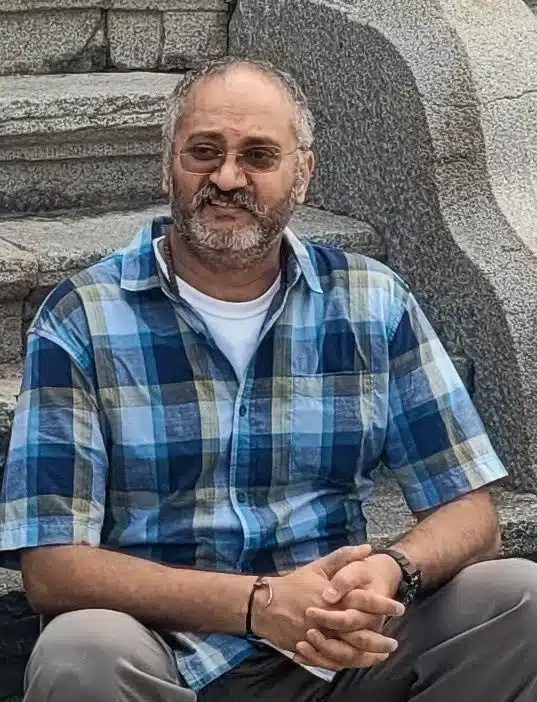
Hindu Philosophy — Shad Darshanas
Hari hails from Chennai, where his formative years were enriched by stories from India’s two great itihasas, the Ramayana and the Mahabharata. He also studied the Bhagavad Gita and Vishnu Sahasranama at his local temple.
After graduate school and becoming a father, Hari felt inspired to share the richness of Hindu tradition with his children. This led him to join Chinmaya Mission in Portland, where he taught the mission’s sixth-grade curriculum.
For the past six years, Hari has taught middle- and high-school students through Balvihar ABQ. His classes explore Hindu philosophy, introductory commentarial texts (Prakarana Granthas), epistemology (Pramana Vichara) and debate (Tarka) from an Advaita perspective.
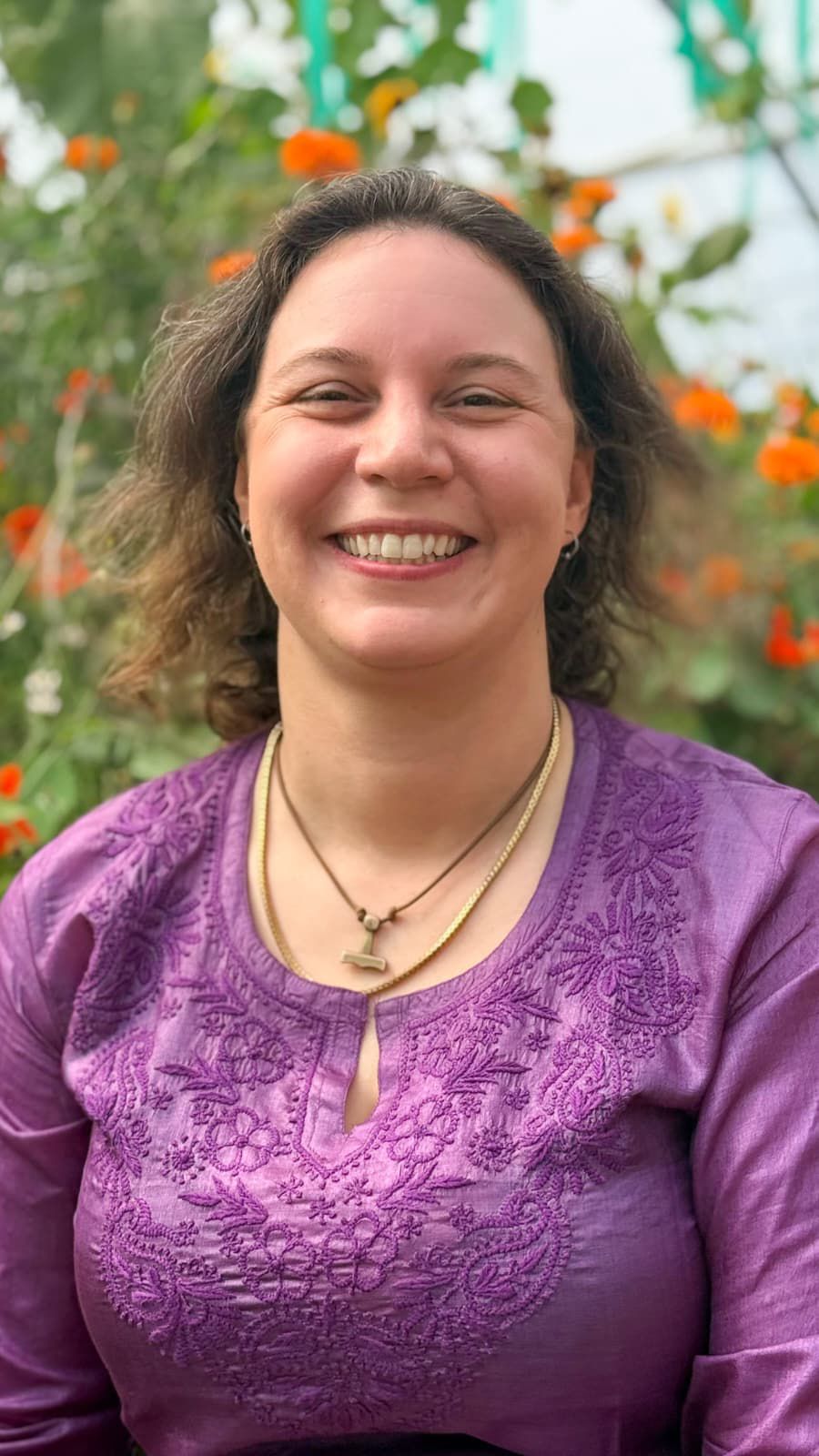
My name is Aden Kemp, and I am very excited to be welcomed as a new teacher for Balvihar. I have been teaching music continuously since I was 14 years old and have worked as a public school teacher since 2019. I hold a B.S. in Psychology with minors in Anthropology and Ethics. My interests include traveling the world and exploring the connections between history, culture, and religion, and how they influence societies and the people within them.
Teaching Indian history for our Balvihar students will be a fun opportunity to explore what makes India unique through storytelling and discussion. We will learn about India’s national symbols, geography, languages, food, clothing, literature, music, notable people, and more. By the conclusion of the semester, students should have a basic understanding and appreciation of both ancient and modern Indian culture.
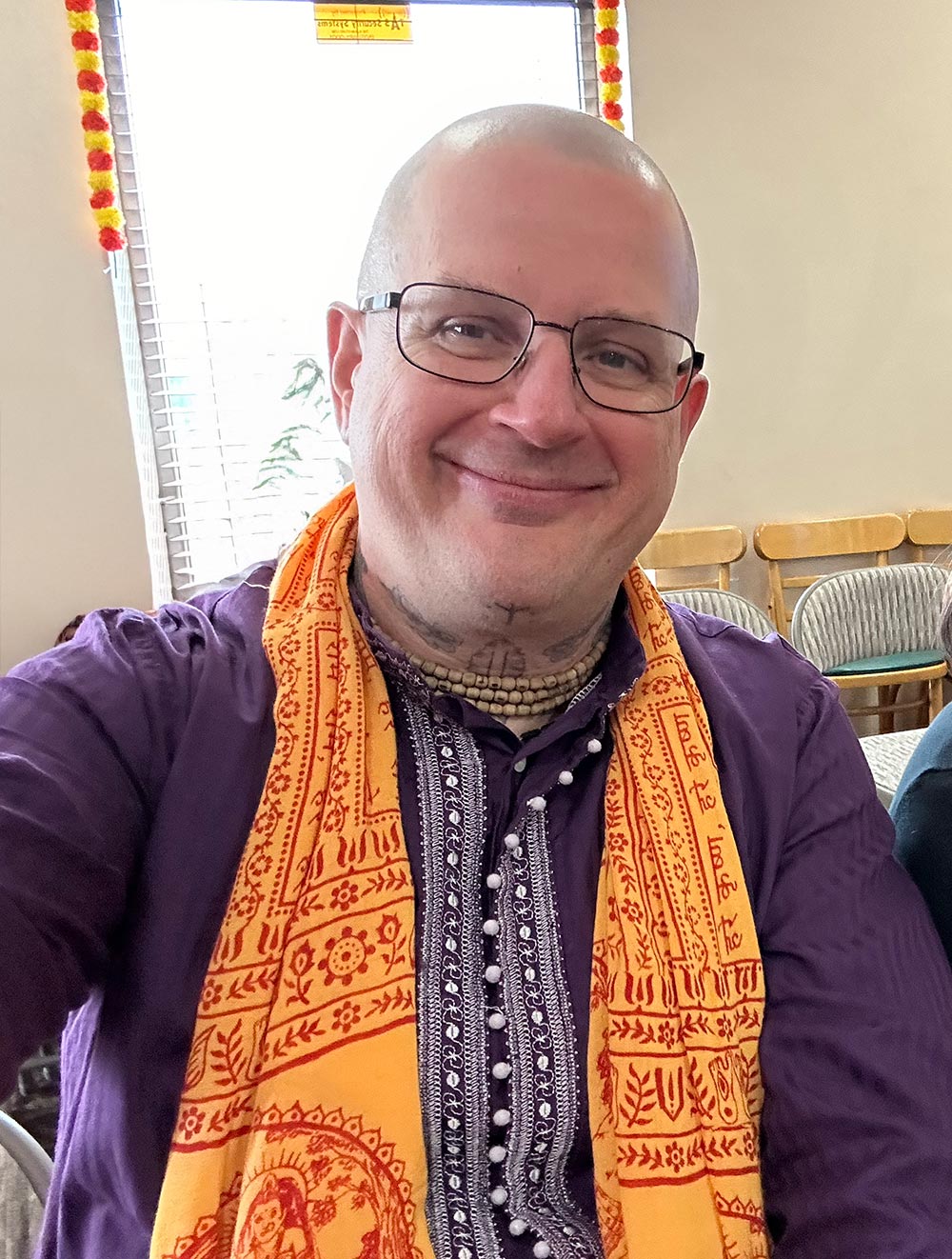
Bhagavad Gita and Hindu Philosophy
Mike Jennings, spiritually known as Mathura-vasa das, has more than 30 years of experience studying and practicing Hindu philosophy within ISKCON. His spiritual journey began in the Christian tradition and continued through the study of Buddhism before leading him to bhakti yoga and the teachings of the Bhagavad Gita. He is an initiated disciple of Vaisesika Dasa Adhikari.
Mike serves as Director of IT for the Hindu Temple Society of New Mexico, where he has taught Bhagavad Gita classes and supports the temple’s educational, cultural and interfaith programs. His spiritual life is grounded in devotional service, the study of sacred texts and making timeless teachings relevant to everyday life.
Professionally, Mike has a background in journalism, photography, digital media, marketing and communications. His experience as a storyteller and educator helps him present Hindu philosophy in a clear, thoughtful and approachable way.
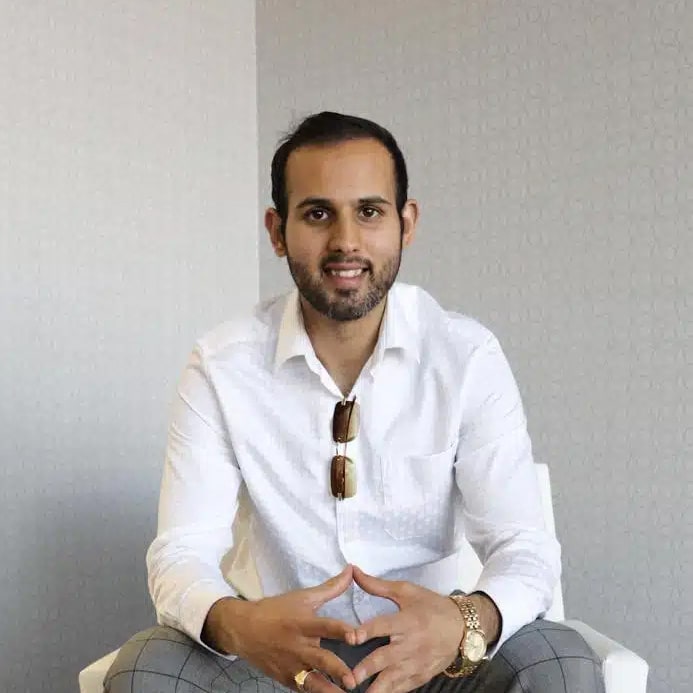
Abhishek currently works as a financial consultant. Abhishek received both his BA in Economics and Philosophy and MBA in International Management from UNM in 2017 and 2020 respectfully. Abhishek is an active member in his community, his professional affiliations include: YPA (Past Professional Development Chair), NAIOP (Developing leaders), Asian Business Collaborative, Albuquerque 20/30 (Social Chair), and, United Way Vision Council. Abhishek’s passions include practicing yoga, studying history and philosophy, and the cultural arts.
Fall Session Calendar
August 23rd – First Session
No classes following days
Sept 6th (Labor day)
Oct 18th (Durga Puja)
Nov 8th ( Diwali)
Dec 27th ( Christmas break)
